


Hot foil stamping
What is hot foil stamping (hot stamping / gold foil printing / foil blocking)?
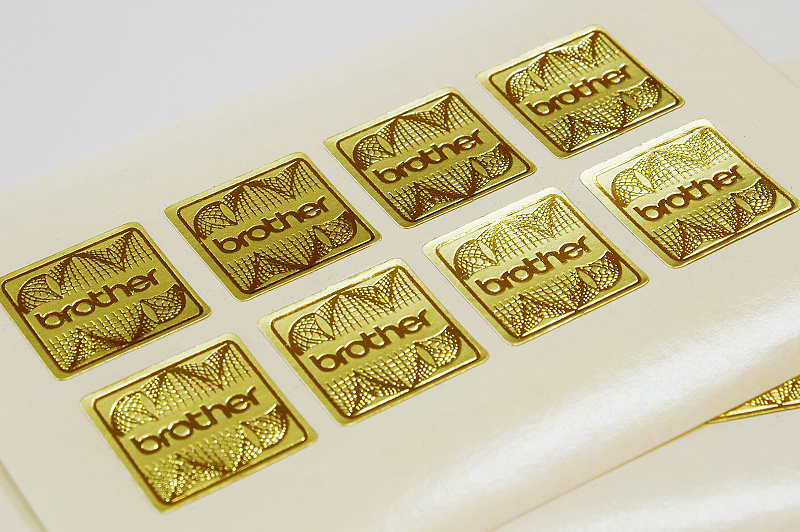
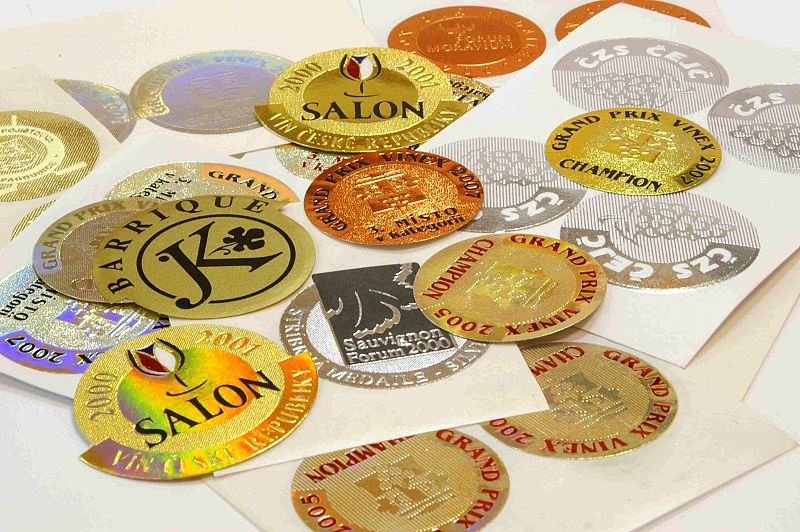
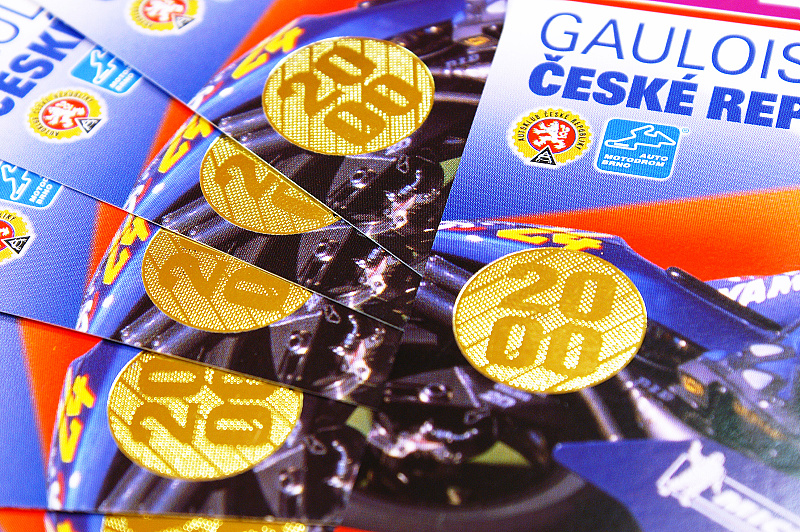
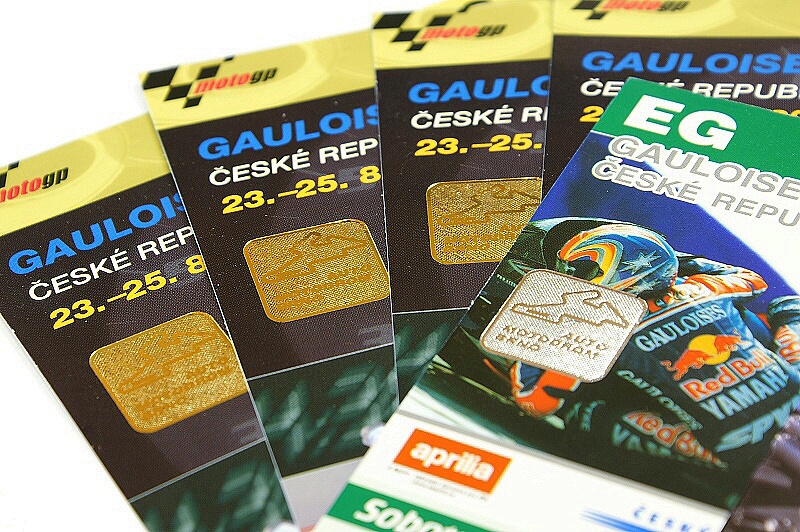
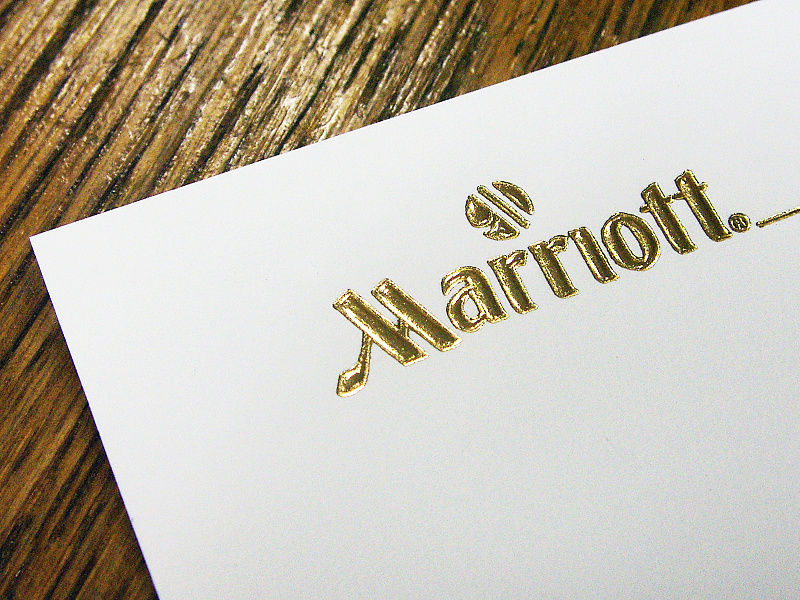
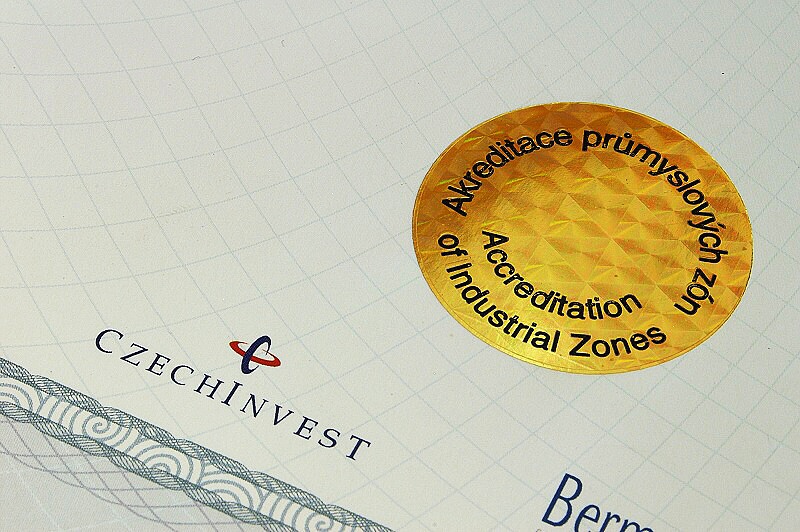
Hot foil stamping, also known as hot stamping, gold foil printing or foil blocking, is a finishing technique that gives printed materials and packaging a metallic, glossy or holographic effect. The process uses heat and pressure to bond the foil to the surface of the material. The result is a premium look that highlights logos, text or graphics.
Hot foil stamping can be done in several ways:
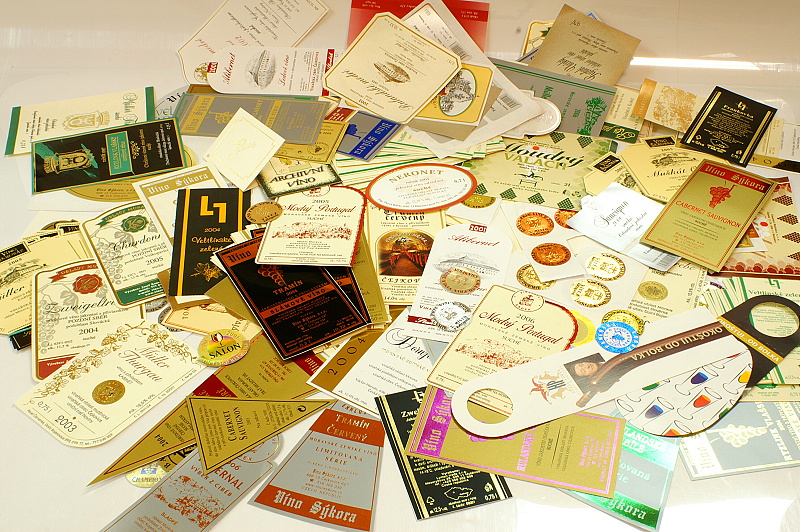
- Metallic foils: gold, silver, colored
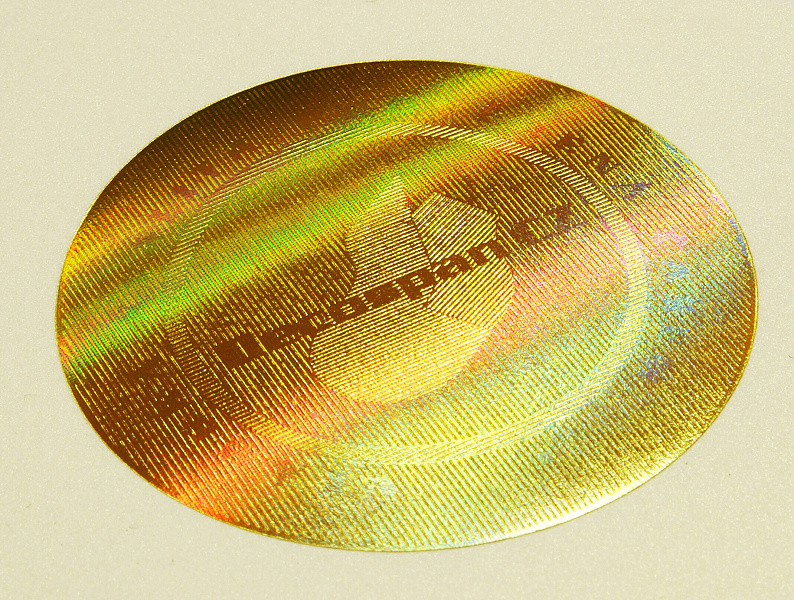
- Holographic foils: dynamic light reflections
- Pearlescent effects for a subtle luxury look
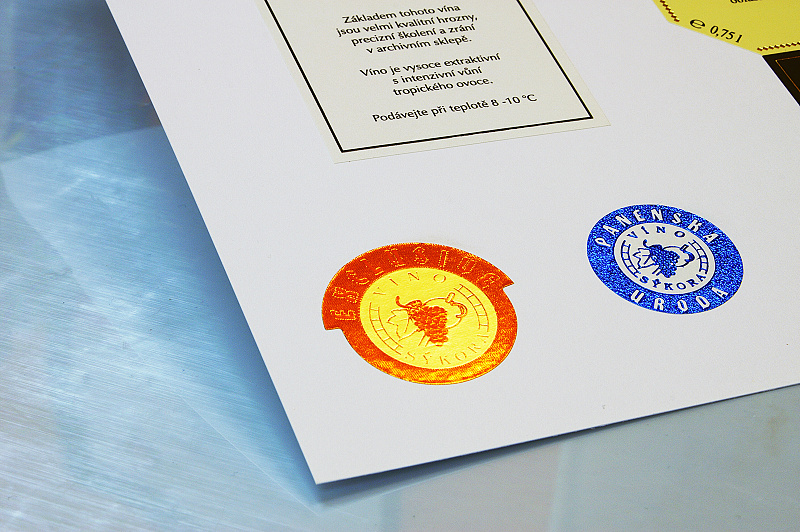
- 3D stamping: seals, raised effects
- 2D stamping: flat effects
Embossing vs. debossing
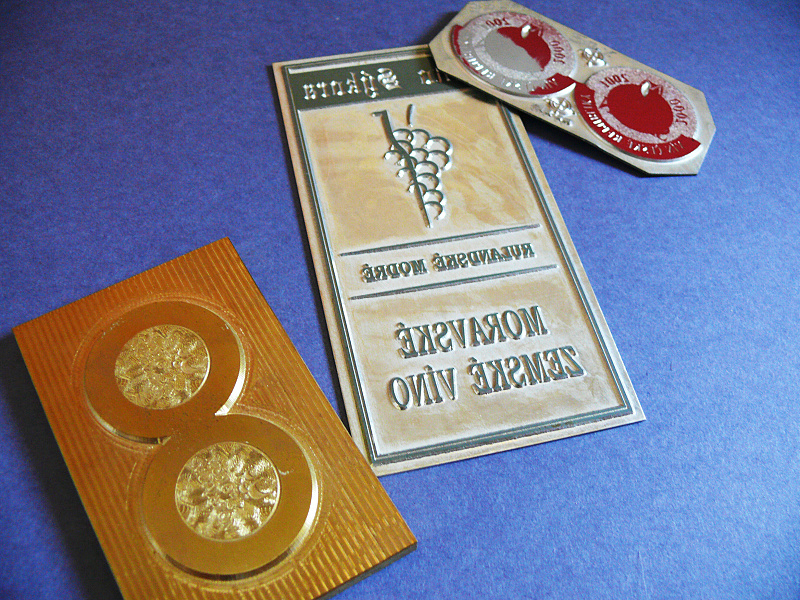
Embossing is a method in which the surface of the material is raised to create a relief design. The effect is tactile and visually striking, and it is often combined with metallic foil for a luxury look. Embossing gives printed materials a prestigious character and looks especially impressive on invitations, certificates or gift packaging.
Debossing is the opposite of embossing – the design is pressed into the surface of the material, creating a recessed relief. It gives the material understated elegance, a fine texture and a sophisticated look, and is often used on business cards, labels or premium packaging.
Both techniques can be combined with hot foil stamping (metallic, colored, holographic) to create 3D seals, flat 2D designs or sophisticated design effects.
What is hot foil stamping used for?
- Business stationery: business cards, invitations, certificates, gift documents
- Packaging: cosmetics, food, alcoholic beverages, luxury gift packaging
- Marketing and promotional materials: wherever a premium, exclusive look is required
- Decorative and personalized projects: 3D seals, embossing, debossing, 2D graphics
Pros and cons of hot foil stamping
Pros
- Luxurious, premium look with a high gloss
- Option of metallic, pearlescent and holographic effects
- Highlights logos, text and graphic elements
- Can be combined with other finishing techniques (UV varnish, blind embossing, emboss/deboss)
- Precise registration with the print
- Option of embossing (raised relief) and debossing (recessed relief)
- 3D seals and 2D effects
Cons
- Higher price than standard printing or lamination
- Not suitable for delicate or very thin materials
- Requires precise preparation of the print file and foil
- Limited foil durability under mechanical stress
- More time and material needed for multiple designs
- Requires specialized machines and experienced operators
- Longer preparation when combining several designs
Hot foil stamping specifications
Technology: Hot stamping / foil blocking: foil transfer using heat and pressure
Format: small and large print areas, depending on the press and the foil size
Materials:
- paper
- board
- packaging
- some plastic surfaces
Foil and effect options:
- metallic (gold, silver, colored)
- holographic
- pearlescent
- 3D stamping (seals) and flat 2D effects